Reaching the age of 60 and beyond marks a significant milestone in life, often accompanied by changes in daily routines, social circles, and personal priorities. One of the most enriching ways to navigate this new chapter is by actively participating in community events tailored for seniors. These gatherings not only foster social connections but also contribute significantly to physical health, mental well-being, and an overall improved quality of life. In this comprehensive guide, explore the numerous benefits of attending community events after 60, the types of activities available, practical tips for involvement, and how these events can help seniors thrive in their golden years.
- Why Are Community Events Vital for Seniors?
- 1. Combatting Social Isolation
- 2. Promoting Physical Activity
- 3. Stimulating Mental Engagement
- 4. Encouraging Lifelong Learning
- Types of Community Events Popular Among Seniors
- 1. Social Gatherings and Celebrations
- 2. Educational and Enrichment Programs
- 3. Recreational and Physical Activities
- 4. Cultural and Artistic Events
- 5. Volunteer and Community Service Opportunities
- Benefits of Participating in Community Events for Seniors
- Physical Health Benefits
- Psychological and Emotional Well-being
- Intellectual Stimulation
- Building a Support System
- Enhancing Independence and Confidence
- Practical Tips for Seniors to Get Involved
- 1. Explore Local Community Centers and Organizations
- 2. Utilize Online Resources and Social Media
- 3. Attend a Variety of Events to Find Personal Preferences
- 4. Invite a Friend or Join in Groups
- 5. Prepare Mentally and Physically
- Overcoming Common Barriers to Participation
- Fear of New Environments
- Health Limitations
- Transportation Issues
- Social Anxiety or Shyness
- Case Study: Transformative Impact of Community Engagement
- Meet Ella: A Senior Who Rediscovered Joy
- Embrace the Opportunities to Flourish
- Resources and Links
- Summary
Why Are Community Events Vital for Seniors?
1. Combatting Social Isolation
One of the most pressing concerns among seniors is social isolation, which can lead to feelings of loneliness, depression, and decline in physical health. Community events provide a platform for social interaction, fostering friendships, and creating a sense of belonging. Regular engagement in social activities has been linked to lower risks of cognitive decline and improved emotional health.
2. Promoting Physical Activity
Many community events incorporate physical activities suitable for seniors, such as dance classes, gentle yoga, walking clubs, or gardening groups. Participating in these activities helps maintain mobility, strength, and cardiovascular health.
3. Stimulating Mental Engagement
Engaging in educational workshops, hobby clubs, or cultural outings stimulates cognitive functions, keeps the mind sharp, and helps prevent cognitive decline. Memory games, storytelling sessions, or learning new skills at community centers are excellent examples of mental stimulation.
4. Encouraging Lifelong Learning
Many community events offer classes and seminars on topics like technology use, health management, arts and crafts, or local history. These opportunities nurture curiosity, foster skills development, and boost confidence in navigating modern society.
Types of Community Events Popular Among Seniors
1. Social Gatherings and Celebrations
- Holiday parties
- Senior picnics and barbecues
- Cooking clubs
- Tea and coffee mornings
2. Educational and Enrichment Programs
- Workshops on technology and internet safety
- Health and wellness seminars
- Art classes and craft sessions
- Book clubs and discussion groups
3. Recreational and Physical Activities
- Walking or hiking groups
- Light aerobics and dance classes
- Gardening clubs
- Bowling and billiards tournaments
4. Cultural and Artistic Events
- Theatre trips and cinema outings
- Musical concerts and dance performances
- Art exhibitions and studio tours
5. Volunteer and Community Service Opportunities
- Volunteer at local shelters or food banks
- Participate in environmental cleanup days
- Mentoring programs for youth or newcomers
Benefits of Participating in Community Events for Seniors
Physical Health Benefits
Engaging in regular community activities encourages movement and activity, which are vital for maintaining physical health. Activities like walking groups, yoga, and gardening not only improve flexibility and strength but also reduce the risk of chronic diseases such as diabetes, hypertension, and arthritis.
Psychological and Emotional Well-being
Social interactions during community events bolster feelings of happiness and purpose. These engagements help combat feelings of loneliness, depression, and anxiety, fostering a positive outlook on life.
Intellectual Stimulation
Learning new skills or participating in discussions keeps the brain active. This can enhance memory, improve problem-solving skills, and delay cognitive decline, contributing to mental sharpness well into old age.
Building a Support System
Regular participation creates a network of friends and acquaintances, offering emotional support and practical assistance. Such connections can be vital during times of personal hardship or health challenges.
Enhancing Independence and Confidence
Being active within the community encourages autonomy and self-esteem, enabling seniors to maintain independence and enjoy daily activities with greater confidence.
Practical Tips for Seniors to Get Involved
1. Explore Local Community Centers and Organizations
Start by researching nearby community centers, senior clubs, or religious organizations known for hosting senior-focused events. Many cities offer dedicated programs tailored for older adults.
2. Utilize Online Resources and Social Media
Websites and social media platforms often list upcoming events, classes, and outings relevant to seniors. Signing up for newsletters or community groups online can keep you informed of new opportunities.
3. Attend a Variety of Events to Find Personal Preferences
- Try different activities to discover what sparks joy and engagement.
- Mix social, educational, and physical activities for a balanced approach.
4. Invite a Friend or Join in Groups
Participation is often more enjoyable when shared. Consider inviting friends, neighbors, or family members to join you. Alternatively, join organized groups or clubs to meet new people with similar interests.
5. Prepare Mentally and Physically
- Ensure transportation plans are in place, whether using public transport, carpooling, or community shuttle services.
- Wear comfortable clothing suitable for the activity.
- Bring necessary items like water, medication, or mobility aids.
Overcoming Common Barriers to Participation
Fear of New Environments
Start with familiar settings or smaller events. Gradually increase participation to build confidence and comfort.
Health Limitations
Choose activities that match physical ability. Consult healthcare providers for suitable options and adapt activities if needed.
Transportation Issues
Arrange rides with friends, family, or community services that offer senior transportation. Some organizations provide door-to-door transit for seniors.
Social Anxiety or Shyness
Attend with a friend or volunteer at smaller gatherings initially. Remember that everyone at these events shares the common goal of connection and fun.
Case Study: Transformative Impact of Community Engagement
Meet Ella: A Senior Who Rediscovered Joy
At 65, Ella felt isolated after her retirement and her spouse’s passing. Her local community center offered weekly music and dance classes for seniors. Initially hesitant, she decided to attend a class with a friend. Over time, Ella not only regained her love for dancing but also formed lasting friendships. Her mental health improved, and she became an active advocate for senior community programs. Ella’s story exemplifies how participation can dramatically enrich life after 60.
Embrace the Opportunities to Flourish
Participation in community events after 60 offers myriad benefits, from improving physical health and mental well-being to fostering social connections and lifelong passions. Engaging actively in these opportunities helps seniors maintain independence, discover new interests, and experience the joy of shared endeavors. The transition into later years can be a period of growth, fulfillment, and adventure, especially when approached with openness and enthusiasm. Communities worldwide recognize these value and continually develop programs to support active, vibrant senior life — so take the first step today and embrace the vibrant world of community engagement.
Resources and Links
| Resource | Description | Website |
|---|---|---|
| National Council on Aging | Provides a comprehensive directory of senior programs and activities across the U.S. | https://www.ncoa.org/ |
| Local Community Centers | Search for senior-specific classes and events in your area. | Check local government or community websites |
| Meetup | Platforms to find or create interest-based groups for seniors. | https://www.meetup.com/ |
| SeniorSage | Resource for seniors seeking volunteer opportunities and social activities. | https://seniorsage.com/ |
Summary
- Community events serve as vital platforms for social engagement, physical health, and mental stimulation.
- Variety of activities cater to different interests and abilities—importance of exploring diverse options.
- Participation enhances independence, confidence, and life satisfaction.
- Overcoming barriers involves planning, support, and gradual involvement.
- Active community engagement after 60 can truly transform the experience of aging, making it vibrant and fulfilling.
Age is simply a number, and the rich tapestry of community life offers endless opportunities to enrich every chapter. Embracing participation in community events after 60 is a powerful step toward maintaining an active, joyful, and meaningful life.
Похожие записи:
 Embrace Creativity and Community: The Benefits of Joining Cultural and Art Clubs for Seniors Embracing Vitality: The Benefits and Tips for Attending Local Health and Wellness Fairs After 60
  Enriching Life After 60: The Benefits and Opportunities of Participating in Local Storytelling and Drama Clubs
  Embracing Creativity and Community: The Benefits of Participating in Local Arts and Crafts Markets After 60
  Embracing Wellness After 60: The Benefits of Attending Group Meditation and Yoga Classes
  Embracing Joy and Connection: Participating in Local Festivals and Cultural Events After 60
  Embracing Connection: Joining Faith-Based Community Activities After 60
  Discover Fulfilling Volunteering Opportunities for Seniors: A Guide to Staying Active and Engaged After 60
  The Benefits of Garden Therapy and Outdoor Activities for Seniors: Embracing Life After 60
  Embracing Innovation: How Community Workshops Help Seniors Learn New Technologies After 60
  Organizing Cultural Exchange Events: Enriching Life After 60
  Finding Emotional Support Groups for Seniors: A Comprehensive Guide to Embracing Life After 60 Embracing Culture: Attending Theatre Performances and Concerts After 60
  Building a Community of Care: How to Create a Neighborhood Buddy System for Seniors
  Building a Community Newsletter or Blog for Life After 60: A Comprehensive Guide
 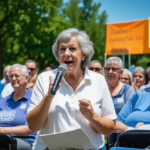 Empowering Your Voice: The Benefits of Joining Local Political and Advocacy Groups After 60