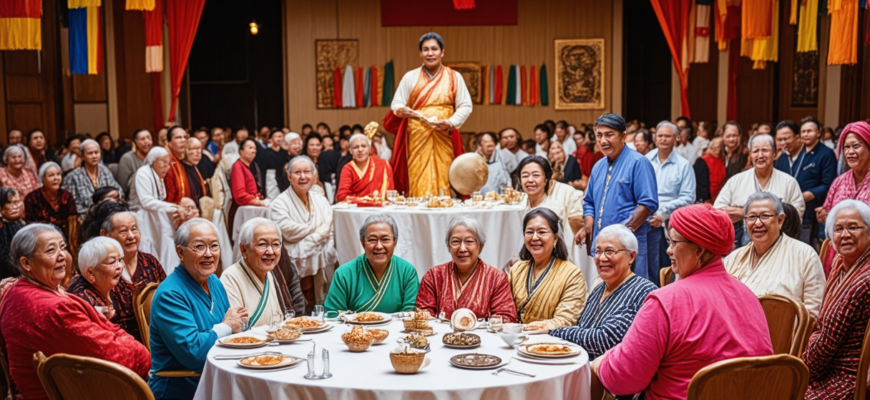
As individuals enter the golden years, they often seek meaningful ways to stay active, engaged, and socially connected. One of the most rewarding activities that can accomplish these goals is organizing cultural exchange events. These gatherings not only foster understanding and appreciation of different cultures but also stimulate mental agility and social bonds among seniors. This comprehensive guide will explore how to effectively plan, organize, and execute cultural exchange events tailored for those over 60, ensuring a vibrant and enriching experience for all participants.
- Benefits of Cultural Exchange for Seniors
- Planning a Cultural Exchange Event: Step-by-Step Guide
- 1. Define the Purpose and Theme
- 2. Identify Target Audience and Participants
- 3. Budgeting and Fundraising
- 4. Choosing a Suitable Venue
- 5. Designing Engaging Content and Activities
- 6. Inviting Participants and Promoting the Event
- 7. Organizing Logistics and Safety Measures
- Executing the Event: Best Practices
- 1. Create a Welcoming Atmosphere
- 2. Facilitate Interactions and Engagement
- 3. Incorporate Feedback and Flexibility
- Sample Cultural Exchange Event Schedule
- Overcoming Challenges in Organizing Cultural Events for Seniors
- Measuring Success and Sustaining Engagement
- Sample Evaluation Criteria:
- Case Study: Successful Cultural Exchange Activities
- References and Resources
Benefits of Cultural Exchange for Seniors
Before diving into the logistics, it is essential to understand the profound benefits that cultural exchange events bring to seniors:
- Enhancement of Social Interaction: Reduces feelings of loneliness by creating opportunities to meet new people.
- Intellectual Stimulation: Learning about new cultures stimulates the brain, which is vital for maintaining cognitive health.
- Cultural Appreciation and Tolerance: Fosters understanding and respect for diversity, enriching personal worldview.
- Physical Engagement: Many events include active components, promoting mobility and physical well-being.
- Personal Fulfillment: Provides a sense of purpose and achievement through active participation and sharing.
Planning a Cultural Exchange Event: Step-by-Step Guide
1. Define the Purpose and Theme
Begin by establishing the core goal of the event. Is it to educate participants about a specific culture, promote intercultural dialogue, or celebrate a particular tradition? Choosing a theme helps create a cohesive experience. Examples include:
- Festival of Asian Cultures
- European Heritage Day
- Global Music and Dance Night
2. Identify Target Audience and Participants
Understanding the interests and abilities of your audience is crucial. For seniors over 60, consider their physical mobility, cultural backgrounds, and interests. Include a mix of local community members and cultural groups to ensure authenticity and diversity.
3. Budgeting and Fundraising
Estimate expenses such as venue rental, decorations, food, entertainment, and promotional materials. Seek sponsorships from local businesses, cultural centers, or community organizations. Creating a detailed budget table can aid in financial planning:
| Item | Estimated Cost | Funding Source |
|---|---|---|
| Venue Rental | $500 | Community Fund |
| Cultural Performers | $300 | Sponsorships |
| Food and Beverages | $200 | Participant Donations |
| Decorations & Materials | $100 | Local Business |
| Promotion | $50 | Community Budget |
4. Choosing a Suitable Venue
Accessibility and comfort are paramount. Select venues that are wheelchair accessible, have adequate seating, and are easy to reach via public transportation or community shuttle services. Options include community centers, cultural halls, or outdoor parks with pavilion facilities.
5. Designing Engaging Content and Activities
The heart of any cultural exchange event is its activities. Incorporate a mix of educational, interactive, and entertainment segments to cater to varied interests. Examples include:
- Cultural dance performances
- Cooking demonstrations of traditional dishes
- Language mini-lessons or phrase cards
- Arts and crafts workshops
- Storytelling sessions about cultural traditions
6. Inviting Participants and Promoting the Event
Effective promotion ensures high turnout and vibrant participation. Use flyers, community newsletters, social media, and local newspapers. Additionally, word-of-mouth and partnerships with local senior centers can help reach the target demographic.
7. Organizing Logistics and Safety Measures
Detail the event schedule, assign roles to volunteers, and prepare materials in advance. Prioritize safety by ensuring health protocols (especially considering ongoing health concerns), first aid availability, and clear signage.
Executing the Event: Best Practices
1. Create a Welcoming Atmosphere
Greet guests warmly, and set up registration or check-in counters to facilitate smooth flow. Decorate the venue with flags, banners, and symbols representing different cultures to foster excitement and curiosity.
2. Facilitate Interactions and Engagement
Design activities that encourage mingling. Icebreaker games, paired dance lessons, or cultural quizzes can spark conversations and camaraderie among participants.
3. Incorporate Feedback and Flexibility
Monitor participant reactions and be ready to adjust activities on the fly. Post-event surveys can provide insights for improvement and future events.
Sample Cultural Exchange Event Schedule
Below is a sample outline for a half-day event:
- 10:00 – 10:30 – Registration and Welcome Coffee
- 10:30 – 11:00 – Opening Speech and Introduction of Cultures
- 11:00 – 12:00 – Cultural Performances (Dance, Music, Song)
- 12:00 – 12:30 – Cooking Demo and Tasting
- 12:30 – 13:00 – Arts and Crafts Workshop
- 13:00 – 13:30 – Interactive Language Session
- 13:30 – 14:00 – Closing Remarks and Social Time
Overcoming Challenges in Organizing Cultural Events for Seniors
While these events are enriching, organizers might face obstacles such as limited mobility among seniors, language barriers, or cultural sensitivities. Addressing these issues proactively is vital:
- Accessibility: Ensure venues have ramps, elevators, and accessible restrooms.
- Language Support: Provide translation or bilingual materials as needed.
- Cultural Sensitivity: Respect traditions, dress codes, and dietary restrictions.
- Health Considerations: Have medical supplies on hand and adhere to health protocols.
Measuring Success and Sustaining Engagement
Post-event evaluation helps assess impact and plan future activities. Use questionnaires to gather feedback on content, organization, and enjoyment. Additionally, creating a community platform—such as a newsletter or social media group—can sustain engagement and foster ongoing cultural dialogue.
Sample Evaluation Criteria:
- Participant satisfaction levels
- Number of attendees vs. expectations
- Quality and variety of activities
- Participants’ perceptions of cultural understanding
- Suggestions for improvement
Case Study: Successful Cultural Exchange Activities
For example, the “Global Village” event organized by a community center in Moscow brought together seniors and youth to celebrate international cultures. The event featured traditional music ensembles, culinary tastings, dance workshops, and language lessons. Participants reported increased cultural awareness and new friendships forming across generations. Such success stories demonstrate the profound impact of well-organized cultural exchange activities on enriching the social fabric of senior communities.
Organizing cultural exchange events for seniors over 60 is a rewarding endeavor that promotes lifelong learning, social connection, and cultural appreciation. Careful planning, inclusive activities, and sensitivity to participants’ needs ensure these events are not only enjoyable but also transformative experiences. As communities embrace diversity and intergenerational dialogue, these cultural exchanges become integral to a vibrant, engaged, and harmonious life after 60.
References and Resources
- Age UK – Tips on engaging activities for seniors
- SeniorLiving.org – Guide to planning events for older adults
- Russian Ministry of Culture – Resources on cultural programs
Похожие записи:
 Embracing Joy and Connection: Participating in Local Festivals and Cultural Events After 60
  Discovering Cultural Festivals Abroad After 60: A Guide to Enriching Your Golden Years
  How to Start a Book Club for Seniors: A Complete Guide to Enriching Life after 60
  Effective Strategies for Organizing Neighborhood Safety Initiatives for Seniors
  Embracing Adventure: Participating in Senior Travel Clubs and Enriching Life After 60
  Unmissable Cultural Immersion Experiences for Mature Explorers: Embrace the World After 60
  Taking Up Photography as a Creative Outlet After 60: A Guide to Enriching Life Through the Lens
  Connecting through Senior Centers: Building a Vibrant Social Life After 60
  Embracing the Past: How Participating in Local Heritage and History Societies Enriches Life After 60
  Discovering UNESCO World Heritage Sites After 60: A Guide to Enriching Travel in Your Golden Years
  Sharing Skills After 60: Unlocking Wisdom and Building Community Through Skill Swaps
  Fostering Connections: The Power of Intergenerational Activities After 60
  Building a Community Newsletter or Blog for Life After 60: A Comprehensive Guide
  Embracing Change: How Joining Environmental and Conservation Groups Enriches Life After 60
  Planning a Multi-Generational Adventure Trip: The Ultimate Guide for Life After 60
  Discover Fulfilling Volunteering Opportunities for Seniors: A Guide to Staying Active and Engaged After 60