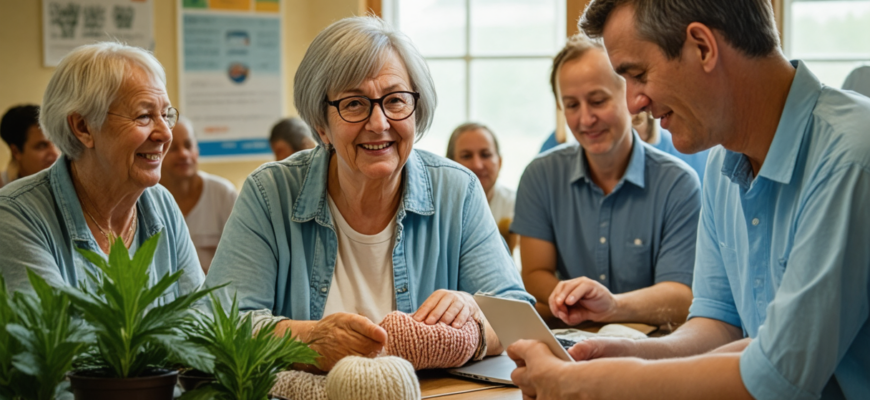
As individuals reach and surpass the age of 60, many find themselves at a crossroads—a time of reflection, transition, and opportunity. One of the most rewarding pursuits that can enrich this stage of life is the act of sharing skills through community skill swaps. This practice fosters personal growth, strengthens social bonds, and empowers entire communities, turning the wisdom accumulated over decades into valuable assets for others. In this comprehensive guide, explore how skill exchanges can transform life after 60 into a fulfilling, dynamic, and connected experience.
- Why Skill Sharing Is Essential in Later Life
- Understanding Community Skill Swaps
- What Is a Skill Swap?
- Types of Skill Swaps in Community Settings
- How to Initiate a Skill Swap Community
- Steps to Start a Successful Community Skill Swap
- Popular Skills to Share After 60
- Examples of In-demand Skills for Skill Swaps
- Benefits of Skill Trading for Seniors
- Enhancing Cognitive and Physical Health
- Fostering Social Connection and Reducing Loneliness
- Promoting a Sense of Purpose and Self-Worth
- Organizational Tips for Successful Skill Swap Events
- Planning and Structure
- Creating an Inclusive Environment
- Measuring Success and Encouraging Growth
- Challenges and Solutions in Skill Swapping
- Overcoming Barriers
- Ensuring Safety and Quality
- Case Studies: Successful Community Skill Swap Initiatives
- Example 1: The Elder Skill Share Project in Moscow
- Example 2: The Digital Wisdom Network in St. Petersburg
- The Future of Skill Swaps in the Longevity Era
- Embracing a Culture of Giving and Learning
- Additional Resources
Why Skill Sharing Is Essential in Later Life
Sharing skills after 60 offers a multitude of benefits, both individual and communal. It provides a purpose-driven activity that promotes mental agility, physical engagement, and social interaction. Furthermore, it helps combat feelings of loneliness and isolation often experienced in later years, fostering a sense of belonging and mutual support. The act of teaching and learning also keeps the mind active, which can contribute to cognitive health and overall well-being.
Understanding Community Skill Swaps
What Is a Skill Swap?
A skill swap is a mutually beneficial arrangement where individuals exchange their knowledge or abilities without monetary compensation. These can be informal gatherings among neighbors or organized community events, typically revolving around shared interests or needs. For example, an experienced gardener might teach others how to cultivate plants, while a retired teacher could offer language lessons or literacy assistance.
Types of Skill Swaps in Community Settings
- Informal exchanges: Casual meetings at local cafes, community centers, or homes.
- Structured workshops: Organized classes or mini-courses within community centers or online platforms.
- Online skill exchanges: Virtual groups and forums dedicated to sharing expertise.
- Barter-based programs: Formal programs where skills are exchanged based on community needs.
How to Initiate a Skill Swap Community
Steps to Start a Successful Community Skill Swap
- Identify local needs and available skills: Conduct surveys or informal discussions to understand what skills are in demand and what participants can offer.
- Create a platform or meeting place: This could be a community bulletin board, local library, or online forum.
- Organize initial events: Launch a meetup or workshop that encourages people to connect and share their expertise.
- Promote inclusivity: Ensure participation from diverse age groups, backgrounds, and mobility levels.
- Build a sustainable model: Maintain engagement through regular events, recognition, and feedback opportunities.
Popular Skills to Share After 60
Examples of In-demand Skills for Skill Swaps
| Skill Category | Specific Skills | Benefits for Learners |
|---|---|---|
| Arts & Crafts | Painting, knitting, quilting, pottery | Enhances creativity, reduces stress |
| Languages & Literacy | Second language tutoring, literacy skills | Improves cognitive function, cultural exchange |
| Music & Performing Arts | Playing instruments, singing, dance | Boosts confidence, physical activity |
| Technology & Digital Skills | Using smartphones, social media, internet safety | Enhances independence, connectivity |
| Gardening & Sustainability | Composting, organic gardening, beekeeping | Health benefits, environmental awareness |
| Cooking & Nutrition | Healthy recipes, canning, fermentation | Improves diet, promotes self-sufficiency |
| Life Skills & Well-being | Financial planning, meditation, mindfulness | Enhances emotional health, independence |
Benefits of Skill Trading for Seniors
Enhancing Cognitive and Physical Health
Engaging in new learning experiences and teaching others encourages mental nimbleness. Activities like crafting, cooking, or gardening involve physical movement, helping maintain mobility and strength. Learning new skills can also delay cognitive decline and keep the mind engaged, which is especially vital after retirement.
Fostering Social Connection and Reducing Loneliness
Participating in community skill exchanges creates opportunities to forge new friendships and strengthen existing relationships. Shared goals and collaborative learning foster a sense of camaraderie, reducing feelings of isolation often prevalent among older adults.
Promoting a Sense of Purpose and Self-Worth
Contributing one’s skills to help others fosters a positive self-image. Knowing that one’s knowledge and experience are valuable can significantly boost self-esteem and provide a renewed sense of purpose in the later years.
Organizational Tips for Successful Skill Swap Events
Planning and Structure
- Set clear objectives and themes for each event.
- Limit group sizes to facilitate meaningful interactions.
- Provide necessary materials and equipment.
- Designate roles for organizers and volunteers.
Creating an Inclusive Environment
- Ensure accessibility for participants with disabilities.
- Encourage diverse skill sharing to reflect community variety.
- Use inclusive language and promote respectful communication.
Measuring Success and Encouraging Growth
Track participation rates, gather feedback, and celebrate achievements. Use this information to improve future events, introduce new skills, and expand the community network.
Challenges and Solutions in Skill Swapping
Overcoming Barriers
- Lack of awareness: Promote activities through local media and social networks.
- Limited mobility or health issues: Organize online swaps or offer home visitations.
- Language barriers: Incorporate multilingual sessions or visual aids.
- Time constraints: Provide flexible scheduling options.
Ensuring Safety and Quality
Establish guidelines for safe and respectful teaching and receiving. Encourage feedback to maintain high-quality exchanges. Consider pairing experienced instructors with novices to ensure effective learning experiences.
Case Studies: Successful Community Skill Swap Initiatives
Example 1: The Elder Skill Share Project in Moscow
This community initiative brought together seniors to teach skills such as traditional crafts, storytelling, and cooking. The project resulted in increased social cohesion and the preservation of local heritage, with regular workshops attended by dozens of residents.
Example 2: The Digital Wisdom Network in St. Petersburg
Designed to bridge the digital divide, this platform offered online classes taught by retired tech enthusiasts. Participants gained the confidence to navigate the internet safely, use social media, and communicate with relatives abroad.
The Future of Skill Swaps in the Longevity Era
As societies worldwide adjust to aging populations, community-based programs like skill swaps will play an increasingly vital role. They promote active aging, foster lifelong learning, and build resilient communities. Technology integration, such as digital platforms and virtual meetups, will further expand access and inclusivity, ensuring that the exchange of wisdom continues to thrive beyond the immediate community.
Embracing a Culture of Giving and Learning
Sharing skills through community swaps after 60 transforms the concept of aging from a period of withdrawal into one of vibrant contribution. It celebrates the wealth of experience and talents accrued over a lifetime, offering a sense of purpose and connection in the golden years. Creating opportunities for skill exchange not only benefits individuals but also weaves a rich fabric of community support and mutual respect, paving the way for more meaningful and active living after retirement.
Additional Resources
- Guide to Starting Your Own Community Skill Swap
- List of Popular Skills for Seniors to Teach and Learn
- Online Platforms Supporting Skill Bartering
- Tips for Inclusive and Accessible Community Events
Engaging in skill sharing after 60 not only enriches individual lives but also strengthens the social fabric, creating resilient and vibrant communities that thrive on the wisdom, experience, and generosity of their senior members.
Похожие записи:
 Maximizing Joy and Growth After 60: How Participating in Gardening Clubs and Plant Swaps Enriches Your Life
  Building a Travel Community for Retirees: How to Connect, Explore, and Thrive After 60
  Building a Community of Care: How to Create a Neighborhood Buddy System for Seniors
  Embracing Innovation: How Community Workshops Help Seniors Learn New Technologies After 60
  Embracing Connection: Joining Faith-Based Community Activities After 60
  Embracing Creativity and Community: The Benefits of Participating in Local Arts and Crafts Markets After 60
  Connecting through Senior Centers: Building a Vibrant Social Life After 60
  Finding Peer Support Groups for Seniors: A Comprehensive Guide to Building Connections After 60
  Building Bridges: How to Foster Meaningful Intergenerational Relationships After 60
  Building a Legacy for Your Loved Ones: A Comprehensive Guide to Securing Your Life After 60
  Creating a Personal Blog or Online Portfolio: Unlocking New Opportunities in Life After 60
  Mastering the Art of Collecting: A Comprehensive Guide to Building Your Stamp, Coin, or Art Collection After 60
  Unlocking New Horizons: How to Successfully Develop a YouTube Channel or Podcast After 60
  Building Resilience and Emotional Strength in Later Years: A Guide to Thriving After 60
  Unlocking Creativity After 60: The Benefits and Guide to Joining Art Classes and Workshops
  Embracing a Positive Outlook for Aging Gracefully: Unlocking the Secrets to a Fulfilling Life After 60