
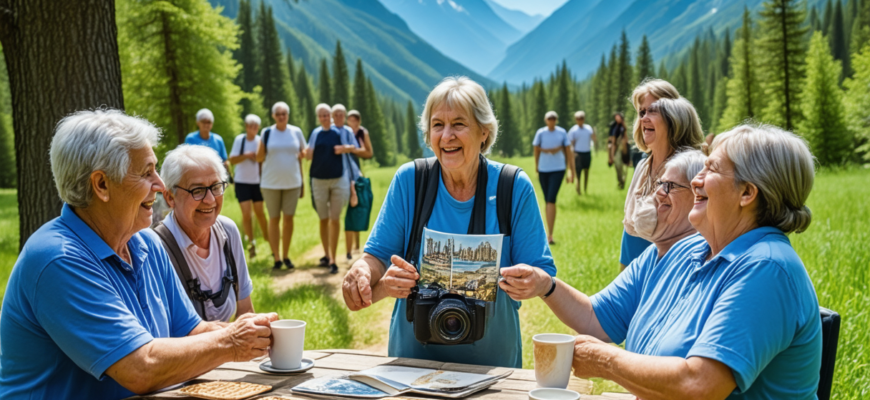
Retirement marks the beginning of a new chapter in life—one filled with opportunities to explore the world, pursue passions, and forge meaningful connections. Among the many fulfilling activities available, travel stands out as a powerful way to enrich life after 60. However, venturing into new destinations alone can sometimes feel daunting. That’s where the idea of building a travel community specifically tailored for retirees comes into play. Creating and nurturing such communities can transform solitary adventures into shared experiences, fostering friendships, enhancing safety, and enriching the overall travel journey.
- Why Building a Travel Community for Retirees is Essential
- Key Steps to Building a Successful Travel Community for Retirees
- 1. Define the Core Purpose and Vision
- 2. Identify the Target Audience
- 3. Leverage Digital Platforms for Outreach
- Best Practices for Online Engagement
- 4. Organize Regular Meetups and Events
- 5. Plan Inclusive and Accessible Travel Experiences
- 6. Collaborate with Travel Experts and Organizations
- Designing Engaging Travel Opportunities for Retirees
- Popular Types of Travel for Retiree Communities
- Sample Travel Planning Checklist
- Overcoming Challenges in Creating a Retiree Travel Community
- 1. Ensuring Safety and Accessibility
- 2. Maintaining Engagement
- 3. Budget Constraints
- 4. Cultural and Language Barriers
- Case Study: Successful Travel Community for Retirees
- The Role of Technology in Supporting Retiree Travel Communities
- Utilizing Apps and Platforms
- Virtual Tours and Webinars
- Final Thoughts: Embracing the Adventure Spirit After 60
- References
Why Building a Travel Community for Retirees is Essential
As people age, their needs and preferences evolve. Traveling solo or with just close family can sometimes limit access to new experiences or create feelings of loneliness. Forming a dedicated travel community offers numerous benefits:
- Social Engagement: Connecting with like-minded individuals combats loneliness and promotes mental well-being.
- Shared Experiences: Traveling together creates lasting memories and deepens bonds.
- Safety and Support: Group travel enhances safety, provides assistance during emergencies, and offers a sense of security.
- Cost Savings: Group discounts on accommodations, transportation, and activities often make travel more affordable.
- Motivation and Inspiration: Community members motivate each other to explore new destinations and try new activities.
Key Steps to Building a Successful Travel Community for Retirees
1. Define the Core Purpose and Vision
Before launching a travel community, clarify its mission and objectives. Is the primary goal to promote social interaction, explore cultural destinations, focus on wellness retreats, or combine all these aspects? Clear vision helps attract like-minded individuals and guides planning efforts.
2. Identify the Target Audience
Understanding the specific demographic—age range, interests, mobility levels, health considerations—is essential for tailoring activities and communication. For instance, some retirees may prefer leisurely cruises, while others seek adventure travel.
3. Leverage Digital Platforms for Outreach
Building an online presence through social media, dedicated websites, or forums is vital. These platforms serve as hubs for sharing information, planning trips, and fostering community discussions. Popular options include Facebook groups, dedicated travel forums, and specialized apps for older travelers.
Best Practices for Online Engagement
- Regularly post destination ideas, travel tips, and success stories.
- Encourage members to share their experiences and photos.
- Use polls and surveys to gauge interests and plan future trips.
- Provide practical information about travel insurance, health precautions, and accessibility.
4. Organize Regular Meetups and Events
Physical or virtual gatherings strengthen ties among members. These can include informational sessions, local sightseeing tours, or social dinners. In-person events, especially local meetups, lay the groundwork for trust and friendship.
5. Plan Inclusive and Accessible Travel Experiences
Design trips that consider mobility, health, and comfort. Options may include cruises, guided tours with accessible facilities, or relaxed city excursions. Collaborate with travel agencies specializing in senior travel to ensure quality arrangements.
6. Collaborate with Travel Experts and Organizations
Partnering with experienced travel companies, local tour guides, and healthcare providers enriches the community offering. These collaborations can provide specialized services, such as medical support, language assistance, or customized itineraries.
Designing Engaging Travel Opportunities for Retirees
Popular Types of Travel for Retiree Communities
- Cultural Tours: Exploring history, art, and local traditions.
- Nature and Adventure Travel: Scenic hiking, wildlife safaris, or botanical tours.
- Cruises: Combining luxury, leisure, and social interaction.
- Wellness Retreats: Yoga, meditation, and relaxation-focused trips.
- Volunteer Travel: Participating in community service projects abroad.
Sample Travel Planning Checklist
| Step | Description | Details |
|---|---|---|
| Research Destinations | Select suitable locations based on community interests. | Accessibility, climate, safety, cultural appeal. |
| Set Budget and Duration | Determine financial parameters and trip length. | Includes transportation, accommodation, activities, and contingencies. |
| Create Itinerary | Plan daily activities and free time. | Ensure flexibility and comfort. |
| Arrange Transportation & Accommodation | Book flights, trains, buses, or cruises; reserve hotels or lodges. | Prioritize accessibility and amenities. |
| Coordinate Meals & Special Needs | Include dietary options and health accommodations. | Notify service providers of any medical requirements. |
| Prepare Travel Packets | Distribute itineraries, maps, health info, and emergency contacts. |
Overcoming Challenges in Creating a Retiree Travel Community
1. Ensuring Safety and Accessibility
Retirees often have health considerations or mobility barriers. Address these by opting for accessible destinations, providing comprehensive travel insurance options, and ensuring local healthcare support is available.
2. Maintaining Engagement
Consistent communication, periodic events, and sharing success stories keep motivation high. Recognizing member milestones and encouraging volunteer roles fosters a sense of ownership.
3. Budget Constraints
Offer a variety of trip options across different price ranges, seek sponsorships, or organize group discounts. Providing transparent pricing and cost breakdowns builds trust.
4. Cultural and Language Barriers
Partner with local guides or bilingual coordinators to facilitate smooth interactions. Offering pre-trip orientation sessions enhances comfort and understanding.
Case Study: Successful Travel Community for Retirees
A notable example is “Golden Voyages,” a community-based travel organization catering exclusively to seniors. Starting with local meetups, they expanded by hosting themed trips like wine tours in Europe, nature expeditions in Asia, and cultural pilgrimages across South America. Key factors in their success include personalized itineraries, strong online engagement, and partnerships with experienced travel vendors specializing in accessible travel. Their model demonstrates how focus, flexibility, and community-building lead to sustained growth and satisfaction.
The Role of Technology in Supporting Retiree Travel Communities
Utilizing Apps and Platforms
Modern technology allows for seamless organization and communication. Some recommended tools include:
- Event management platforms: Eventbrite, Meetup
- Social media groups: Facebook, WhatsApp
- Travel planning apps: TripIt, Google Trips
- Health and safety tools: Emergency apps, medication reminder apps
Virtual Tours and Webinars
To maintain engagement between trips, communities can host virtual sightseeing tours, cultural lessons, and health seminars. This keeps members connected and eager for the next adventure.
Final Thoughts: Embracing the Adventure Spirit After 60
Building a travel community for retirees is a powerful way to foster lifelong friendships, encourage cultural enrichment, and promote healthy, active lifestyles. By focusing on inclusivity, safety, and shared passions, such communities can become vibrant hubs of exploration and companionship. The journey toward creating and maintaining these groups is an ongoing process, but the rewards—robust social networks, unforgettable experiences, and a renewed zest for life—are well worth the effort. After all, life after 60 is not the end but an exciting new chapter filled with potential for discovery and joy.
References
- World Health Organization. (2022). Active ageing and healthy living.
- United Nations. (2021). Aging population statistics and social initiatives.
- Travel Industry Association. (2020). Senior travel trends and insights.
- National Council on Aging. (2023). Resources for older travelers.
Похожие записи:
 Building a Community of Care: How to Create a Neighborhood Buddy System for Seniors
  Planning a World Cruise for Retirees: Ultimate Guide to Exploring the Globe After 60
  Discovering Hidden Gems: How to Explore Off-the-Beaten-Path Destinations Safely After 60
  Revisiting Childhood Travel Dreams as a Mature Traveler: Rediscovering the World After 60
  Finding Peer Support Groups for Seniors: A Comprehensive Guide to Building Connections After 60
  Discovering UNESCO World Heritage Sites After 60: A Guide to Enriching Travel in Your Golden Years
  Connecting through Senior Centers: Building a Vibrant Social Life After 60
  Building Bridges: How to Foster Meaningful Intergenerational Relationships After 60
  Building a Legacy for Your Loved Ones: A Comprehensive Guide to Securing Your Life After 60
  Embrace the Thrill: Participating in Adventure Photography During Travel After 60
  Mastering the Art of Collecting: A Comprehensive Guide to Building Your Stamp, Coin, or Art Collection After 60
  How to Pack Smart for Long-Term Travel: Essential Tips for Travelers Over 60
  Building Resilience and Emotional Strength in Later Years: A Guide to Thriving After 60
  Ultimate Guide to Navigating Travel Health and Vaccination Requirements After 60
  Cycling Trips for Active Seniors Seeking New Challenges: Unlocking Adventure After 60
  Embracing Solo Travel Adventures in Later Years: A Guide for the Over 60s