
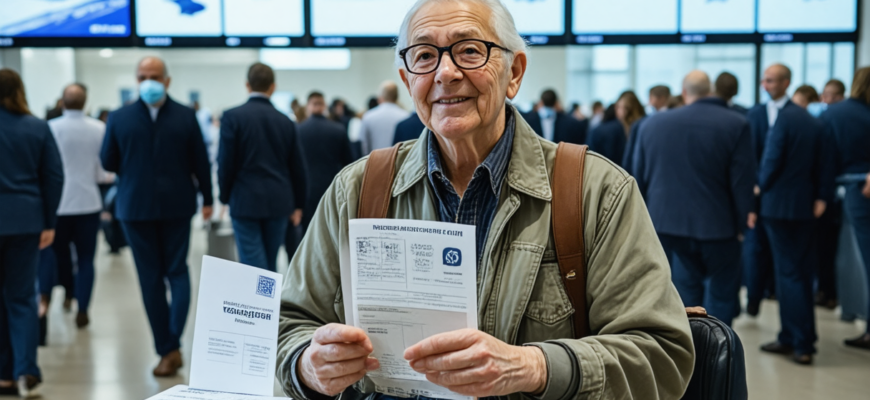
Traveling during retirement or after reaching age 60 can be an enriching experience, offering new adventures, cultural insights, and opportunities for relaxation. However, with age, health considerations become increasingly important, especially when crossing borders. Ensuring that you meet specific health and vaccination requirements is essential for a safe and trouble-free journey. This comprehensive guide aims to provide valuable tips, expert advice, and practical information to help travelers over 60 navigate the complex landscape of travel health regulations and vaccinations.
- The Importance of Travel Health Planning for Seniors
- Understanding International Travel Health and Vaccination Requirements
- Why Do Countries Require Vaccinations?
- Common Vaccinations Needed for Travel
- Pre-Travel Health Assessments for Seniors
- Why Is a Medical Evaluation Essential?
- Key Components of the Health Evaluation
- Vaccination Guidelines for Travelers Over 60
- General Recommendations
- Specific Vaccinations and Considerations
- Special Considerations for Seniors
- Potential Risks and Precautions
- Recommendations for Safe Vaccination
- Managing Chronic Conditions During Travel
- Preparation Tips
- Medication Management Strategies
- Health Travel Tips for a Smooth Journey
- Before Departure
- During Travel
- Post-Travel Care
- Additional Resources for Senior Travelers
- Disclaimer
The Importance of Travel Health Planning for Seniors
As the body ages, immune response may weaken, making older travelers more susceptible to infectious diseases. Additionally, pre-existing health conditions can complicate medical management abroad. Proper health planning helps in preventing illness, managing chronic conditions effectively, and ensuring peace of mind during travel.
Understanding International Travel Health and Vaccination Requirements
Why Do Countries Require Vaccinations?
Many nations implement vaccination requirements to prevent the importation and spread of contagious diseases such as yellow fever, typhoid, hepatitis A and B, and rabies. These measures protect both visitors and local populations, especially in regions where certain diseases are endemic.
Common Vaccinations Needed for Travel
Depending on the destination, travelers over 60 may need to be vaccinated against:
- Yellow Fever
- Hepatitis A and B
- Typhoid
- Tetanus and Diphtheria
- Rabies (particularly for adventure travel or rural areas)
- Japanese Encephalitis
- Influenza (seasonal or travel-specific)
Pre-Travel Health Assessments for Seniors
Why Is a Medical Evaluation Essential?
Before embarking on international travel, seniors should schedule a comprehensive health assessment with their healthcare provider. This should include reviewing chronic conditions, updating vaccinations, discussing medications, and assessing overall fitness for travel.
Key Components of the Health Evaluation
- Review of Medical History: chronic illnesses such as diabetes, cardiovascular issues, or respiratory conditions.
- Medication Management: ensuring enough supply of prescriptions, understanding potential drug interactions abroad.
- Vaccination Status: checking current immunity levels and deciding on additional vaccines.
- Functional Assessment: mobility, vision, hearing, and cognitive function to determine suitability for travel activities.
Vaccination Guidelines for Travelers Over 60
General Recommendations
While vaccination needs vary depending on destination, health status, and travel itinerary, travelers over 60 should prioritize certain vaccines due to increased vulnerability. Always consult with a healthcare provider to develop an individualized plan.
Specific Vaccinations and Considerations
| Vaccine | Indications | Notes |
|---|---|---|
| Yellow Fever | Endemic regions in Africa and South America | Requires certification; contraindicated in those with severe allergies or certain health conditions |
| Hepatitis A & B | Widespread; varies by region | Safe and highly recommended for most travelers over 60 |
| Typhoid | Developing countries with poor sanitation | Available as vaccine or oral capsules |
| Influenza | Universal; seasonal | Highly recommended annually |
| Rabies | Rural or adventure destinations | Consider if traveling in remote areas; vaccination schedule required |
Special Considerations for Seniors
Potential Risks and Precautions
Older travelers should be aware of possible contraindications and side effects associated with certain vaccines. For example, the live-attenuated vaccines like yellow fever may not be suitable for immunocompromised individuals. Always discuss your medical history thoroughly with your healthcare provider.
Recommendations for Safe Vaccination
- Ensure vaccinations are administered at least 4-6 weeks before travel.
- Review current health and vaccination records regularly.
- Carry an International Vaccination Certificate or WHO Yellow Card.
- Seek vaccination services from reputable clinics with experience in senior care.
Managing Chronic Conditions During Travel
Preparation Tips
- Consult your doctor about travel plans and medication adjustments.
- Carry enough medication for the entire trip plus extra days.
- Keep medications in original containers with prescriptions.
- Identify local healthcare facilities at your destination.
- Wear medical alert jewelry indicating current health issues and medications.
Medication Management Strategies
| Strategy | Details |
|---|---|
| Medication Schedule | Adjust timing for time zone changes to maintain regular dosing |
| Storage | Use cooler packs for temperature-sensitive medications; be aware of local storage conditions |
| Emergency Supplies | Carry a list of medications, dosages, and prescribing physician contact information |
Health Travel Tips for a Smooth Journey
Before Departure
- Schedule a comprehensive check-up with your healthcare provider.
- Update all vaccinations and carry proof certificates.
- Plan for medical travel insurance that covers senior health issues.
- Research local healthcare services and pharmacy options.
- Organize all medical documents and emergency contacts.
During Travel
- Maintain good hygiene practices to prevent infections.
- Stay hydrated and eat food prepared in hygienic conditions.
- Ensure adequate rest to support immune health.
- Avoid strenuous activities if feeling unwell or fatigued.
- Follow your healthcare provider’s advice on activity levels and medications.
Post-Travel Care
- Monitor for symptoms of illness after returning, especially if vaccination was not completed or if exposed to endemic diseases.
- Schedule follow-up medical appointments if needed.
- Update any health records or vaccination certificates based on new information received during travel.
Additional Resources for Senior Travelers
- World Health Organization (WHO)
- Centers for Disease Control and Prevention (CDC)
- TravelHealthPro
- Consult your local health department or travel clinic for personalized advice
Traveling after 60 opens a world of possibilities, but it requires thoughtful preparation regarding health and vaccinations. Staying informed about destination-specific requirements, scheduling proper medical evaluations, and following preventive measures can significantly reduce health risks. With proper planning and consultation with healthcare professionals, seniors can enjoy memorable journeys safely, confident in their health and well-being.
Disclaimer
This article provides general information about travel health and vaccination requirements for seniors. It does not substitute professional medical advice. Always consult with a healthcare provider or travel medicine specialist before making decisions related to vaccinations and health management for international travel.
Похожие записи:
 Planning a World Cruise for Retirees: Ultimate Guide to Exploring the Globe After 60
  Ultimate Guide: How to Start Backpacking After 60 and Embrace an Adventurous Life
  Discovering UNESCO World Heritage Sites After 60: A Guide to Enriching Travel in Your Golden Years
  How to Pack Smart for Long-Term Travel: Essential Tips for Travelers Over 60
  The Importance of Routine Health Screenings: A Guide for Life After 60
  Embracing Solo Travel Adventures in Later Years: A Guide for the Over 60s
  Discovering Cultural Festivals Abroad After 60: A Guide to Enriching Your Golden Years
  Exploring Remote Villages and Towns Globally: A Guide for Life After 60
  Farm Stays and Rural Experiences Abroad: A Guide for Life After 60
  Discover the Best Diving and Snorkeling Hotspots for Mature Travelers: A Complete Guide to Exploring Underwater Paradises After 60
  Discovering Hidden Gems: How to Explore Off-the-Beaten-Path Destinations Safely After 60
  The Importance of Dental Health After 60: Ensuring a Bright and Healthy Future
  Mountain Trekking Adventures for Experienced Seniors: A Guide to Safe and Exciting Exploration After 60
  The Transformative Power of Volunteering: Enhancing Senior Mental Health
  Sailing Vacations for Seasoned Travelers: Embrace the Joy of the Seas After 60
  The Impact of Social Activities on Mental Health After 60