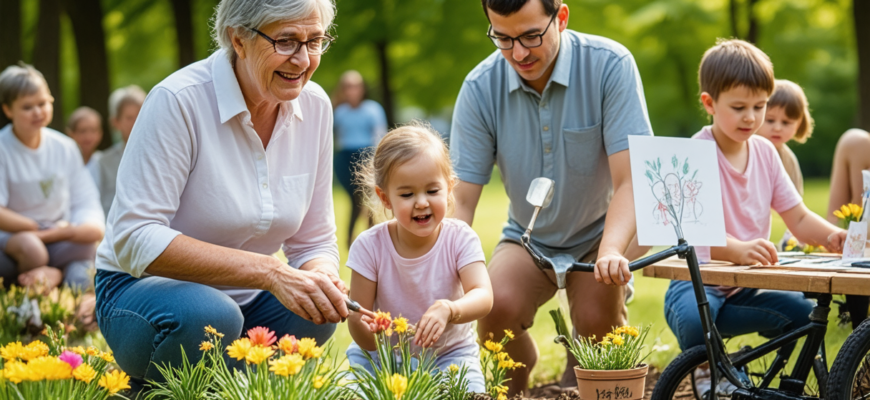
In a rapidly aging world, the importance of fostering meaningful relationships across generations becomes increasingly evident. For individuals over 60, engaging in intergenerational activities not only enriches their lives but also promotes societal cohesion, mental health, and personal growth. This comprehensive guide explores the numerous benefits of intergenerational engagement, practical ways to participate, and how communities can facilitate these vital interactions. Whether you’re a senior looking to connect more deeply with younger family members or a community organizer aiming to bridge age gaps, this article offers valuable insights into the transformative power of intergenerational activities.
- Understanding Intergenerational Activities
- The Benefits of Intergenerational Activities for Seniors
- 1. Mental and Cognitive Stimulation
- 2. Social Connection and Reduced Loneliness
- 3. Sense of Purpose and Self-Worth
- 4. Physical Activity and Well-being
- 5. Cultural and Historical Preservation
- Types of Intergenerational Activities
- 1. Educational and Skill-Sharing Programs
- 2. Volunteering and Community Service
- 3. Recreational and Social Events
- 4. Family-Oriented Activities
- 5. Virtual Intergenerational Interactions
- How to Initiate and Promote Intergenerational Activities
- 1. Assess Interests and Capabilities
- 2. Collaborate with Local Organizations
- 3. Create Inclusive and Accessible Programs
- 4. Foster a Welcoming Environment
- 5. Promote Intergenerational Interaction in Daily Life
- Case Studies: Successful Intergenerational Programs
- Case Study 1: The “Grand Friends” Program
- Case Study 2: The Intergen Kitchen Project
- Case Study 3: Virtual Storytelling Platforms
- Practical Tips for Successful Intergenerational Engagement
- Building Bridges Across Generations
- References and Resources
Understanding Intergenerational Activities
Intergenerational activities are initiatives designed to foster interactions, relationships, and shared experiences between members of different age groups. These activities can take many forms, from informal family gatherings to organized community projects. The core goal is to enhance understanding, respect, and cooperation between generations, thereby building stronger, more resilient communities.
Engaging seniors in such activities is particularly beneficial, as it encourages lifelong learning, mental stimulation, and social inclusion. It also helps bridge age-related stereotypes and fosters mutual appreciation across age divides.
The Benefits of Intergenerational Activities for Seniors
1. Mental and Cognitive Stimulation
Participating in intergenerational activities keeps the mind active and engaged. Learning new skills, sharing stories, or collaborating on projects stimulates cognitive functions, reducing risks associated with cognitive decline such as dementia and Alzheimer’s disease.
2. Social Connection and Reduced Loneliness
Loneliness and social isolation can significantly impact seniors’ health. Intergenerational interactions foster a sense of belonging, improve mood, and reduce feelings of loneliness by creating meaningful relationships with younger generations.
3. Sense of Purpose and Self-Worth
Sharing wisdom, mentoring, or contributing to community projects allows seniors to feel valuable and appreciated. This sense of purpose is critical for maintaining mental health and overall life satisfaction.
4. Physical Activity and Well-being
Many intergenerational activities involve physical movement—gardening, dancing, hiking—which promote physical health, enhance motor skills, and improve overall well-being.
5. Cultural and Historical Preservation
Seniors serve as custodians of history and culture. Sharing stories and traditions with younger generations help preserve cultural heritage and foster identity.
Types of Intergenerational Activities
1. Educational and Skill-Sharing Programs
- Workshops on technology, arts, or crafts conducted jointly.
- Language exchange sessions where seniors teach their native or heritage language.
- Storytelling or history-sharing events.
2. Volunteering and Community Service
- Environmental clean-up projects involving all ages.
- Assistance programs at local libraries, schools, or hospitals.
- Mentoring youth in sports, arts, or academic subjects.
3. Recreational and Social Events
- Music, dance, and art festivals.
- Game nights or themed dinners.
- Garden clubs or outdoor excursions.
4. Family-Oriented Activities
- Grandparent-grandchild bonding activities like baking or DIY projects.
- Family storytelling sessions.
- Celebrating cultural or religious festivals together.
5. Virtual Intergenerational Interactions
- Online classroom participation or webinars.
- Video calls to connect with family or community groups.
- Digital storytelling platforms for sharing life experiences.
How to Initiate and Promote Intergenerational Activities
1. Assess Interests and Capabilities
Begin by understanding the interests, skills, and physical abilities of both seniors and younger participants. Tailoring activities to these parameters ensures greater engagement and satisfaction.
2. Collaborate with Local Organizations
Partnering with community centers, schools, religious institutions, and NGOs can help in organizing and promoting intergenerational programs. These organizations often have existing infrastructure and volunteer networks.
3. Create Inclusive and Accessible Programs
Ensure activities are accessible to individuals with mobility challenges, sensory impairments, or other health issues. Providing transportation, adaptive tools, or assisted technology can facilitate participation.
4. Foster a Welcoming Environment
Develop environments that encourage open communication, patience, and respect. Training facilitators or volunteers in intergenerational communication enhances inclusivity and understanding.
5. Promote Intergenerational Interaction in Daily Life
Encourage families to incorporate shared activities into their routines—storytelling over dinner, joint gardening, or collaborative arts projects. Small, consistent interactions often have a lasting impact.
Case Studies: Successful Intergenerational Programs
Case Study 1: The “Grand Friends” Program
In several communities, “Grand Friends” connects seniors with young children in schools and daycare centers. Seniors share stories, assist with reading, and participate in arts and crafts, fostering mutual respect and understanding. Participants report increased feelings of purpose among seniors and improved social skills among children.
Case Study 2: The Intergen Kitchen Project
This initiative involves seniors and youth working together to prepare traditional recipes, learn cooking techniques, and share cultural stories. It promotes cultural preservation, culinary skills, and cross-generational bonds.
Case Study 3: Virtual Storytelling Platforms
During the COVID-19 pandemic, virtual platforms connected seniors with youth through live storytelling sessions and digital art projects. Technology played a vital role in maintaining social ties and providing mental stimulation during periods of isolation.
Practical Tips for Successful Intergenerational Engagement
- Start with small, manageable activities to build confidence.
- Prioritize shared interests to foster genuine connections.
- Maintain respectful communication and patience.
- Incorporate feedback to improve the programs continuously.
- Celebrate successes to motivate ongoing participation.
Building Bridges Across Generations
Engaging in intergenerational activities after 60 offers multiple benefits—mental stimulation, emotional well-being, social connectivity, and cultural preservation—benefiting not only seniors but society as a whole. By fostering environments where generations can learn from each other, share experiences, and support one another, communities create a more inclusive, understanding, and vibrant society.
Encouraging the development and participation in such activities requires effort, creativity, and collaboration among families, organizations, and policymakers. The power of intergenerational engagement lies in its ability to bridge age gaps, dispel stereotypes, and nurture relationships that transcend age, enriching lives across the spectrum of life.
References and Resources
- WHO Intergenerational Program Resources
- Administration for Community Living – Intergenerational Activities
- Books on intergenerational communication and program development
Похожие записи:
 Building Bridges: How to Foster Meaningful Intergenerational Relationships After 60
  Embracing Connection: Joining Faith-Based Community Activities After 60
  The Impact of Social Activities on Mental Health After 60
  Finding Peer Support Groups for Seniors: A Comprehensive Guide to Building Connections After 60
  The Benefits of Garden Therapy and Outdoor Activities for Seniors: Embracing Life After 60
  The Transformative Power of Volunteering: Enhancing Senior Mental Health
  Embracing the Past: How Participating in Local Heritage and History Societies Enriches Life After 60
  Empowering the Future: Teaching and Mentoring Younger Generations After 60
  Discover Fulfilling Volunteering Opportunities for Seniors: A Guide to Staying Active and Engaged After 60
  Embracing the Past: How Seniors Can Actively Participate in Local History and Heritage Projects
  Mastering Balance and Well-Being After 60: The Power of Tai Chi and Balance Exercises
  Connecting through Senior Centers: Building a Vibrant Social Life After 60
  Empowering Seniors Through Literacy Volunteering: A Guide to Making a Lasting Impact
  Building a Travel Community for Retirees: How to Connect, Explore, and Thrive After 60
  Taking Up Photography as a Creative Outlet After 60: A Guide to Enriching Life Through the Lens
  Building a Legacy for Your Loved Ones: A Comprehensive Guide to Securing Your Life After 60