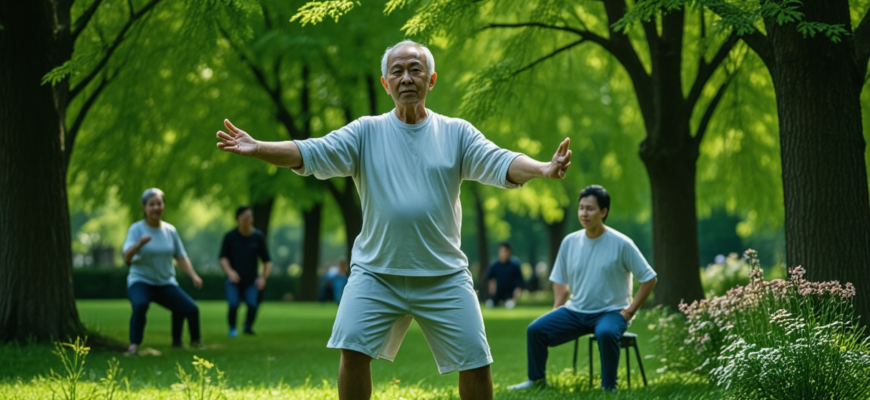
As people age, maintaining physical health and mental well-being becomes increasingly vital. For individuals over 60, staying active isn’t just about staying busy—it’s about enhancing quality of life, preserving independence, and reducing the risk of falls and injuries. Among the most effective ways to achieve these goals are tai chi and targeted balance exercises. These practices are gentle, accessible, and powerful tools that can significantly improve overall wellness. This comprehensive guide explores the benefits, techniques, and practical tips for engaging in tai chi and balance exercises after 60, helping seniors live active, fulfilling lives.
- Understanding the Importance of Balance and Flexibility in Older Adults
- Benefits of Tai Chi and Balance Exercises for Seniors
- Physical Benefits
- Mental and Emotional Benefits
- Prevention and Health Maintenance
- Understanding Tai Chi: An Ancient Art for Modern Wellness
- What Is Tai Chi?
- Types of Tai Chi Suitable for Seniors
- Key Principles of Tai Chi
- Essential Balance Exercises for Seniors
- Simple Yet Effective Exercises
- Creating a Routine
- Safety Considerations When Engaging in Tai Chi and Balance Exercises
- Incorporating Tai Chi and Balance Exercises into Daily Life
- Finding Local Classes and Resources
- Developing a Personal Practice
- Monitoring Progress and Staying Motivated
- Real-Life Success Stories
- Scientific Evidence Supporting Tai Chi and Balance Exercises
- Embracing Movement for a Better Quality of Life After 60
- Final Tips for Success
Understanding the Importance of Balance and Flexibility in Older Adults
Balance and flexibility are foundational elements of physical health at any age, but they become particularly critical after 60. As we age, natural physiological changes impact our musculoskeletal system, including decreased muscle mass, joint stiffness, and slower reflexes. These changes increase susceptibility to falls, fractures, and other injuries.
Falls are a leading cause of injury and hospitalization among seniors. According to the World Health Organization, approximately one-third of people aged 65 and older experience a fall each year. Most falls occur due to compromised balance, unsteady gait, or muscle weakness. Therefore, proactive measures to enhance stability are essential.
Benefits of Tai Chi and Balance Exercises for Seniors
Physical Benefits
- Improved Balance: Regular practice helps refine proprioception—the body’s awareness of its position in space—reducing fall risk.
- Strengthening Muscles: Gentle movements target core and leg muscles, boosting stability and support for daily activities.
- Flexibility Enhancement: Stretching exercises improve joint mobility and reduce stiffness.
- Cardiovascular Health: Moderate activity can enhance heart health and endurance.
Mental and Emotional Benefits
- Stress Reduction: The meditative aspects of tai chi promote mental calmness and relaxation.
- Enhanced Concentration: Focused movements improve mental clarity and cognitive function.
- Social Engagement: Participating in group classes fosters social interaction, combating loneliness.
Prevention and Health Maintenance
- Lowered risk of falls and injuries
- Alleviation of symptoms of arthritis and joint pain
- Improved posture and gait
- Enhanced overall vitality and sense of well-being
Understanding Tai Chi: An Ancient Art for Modern Wellness
What Is Tai Chi?
Originally developed in China as a martial art, tai chi has evolved into a form of gentle exercise emphasizing slow, deliberate movements combined with deep breathing and mindfulness. Known as “meditation in motion,” tai chi encourages relaxed, flowing motions that improve strength, flexibility, and mental focus.
Types of Tai Chi Suitable for Seniors
- Sun Style: Faster movements, suitable for beginners.
- Yang Style: The most common, characterized by slow, steady forms.
- Chen Style: More dynamic, with bursts of energy, best for experienced practitioners.
Key Principles of Tai Chi
- Relaxation: Tension reduces movement efficiency.
- Alignment: Proper posture enhances balance and reduces strain.
- Flow: Smooth transitions between movements foster harmony.
- Breathing: Deep, diaphragmatic breathing supports relaxation and energy flow.
Essential Balance Exercises for Seniors
Simple Yet Effective Exercises
- Heel-to-Toe Walk
- Walk forward placing heel directly in front of toes of the opposite foot with each step. Improves stride and stability.
- Single-Leg Stand
- Stand on one leg for 10-30 seconds, then switch. Enhances ankle and leg strength.
- Tai Chi Step
- Practice slow shifts of weight from one leg to another, maintaining awareness of balance.
- Seated Leg Raises
- Sit in a sturdy chair and lift legs one at a time, engaging core and thigh muscles.
- Side Leg Lifts
- Stand behind a chair and lift one leg sideways, holding briefly before lowering. Strengthens hip abductors.
Creating a Routine
- Start with 10-minute sessions and gradually increase duration.
- Incorporate breathing exercises for relaxation.
- Combine balance exercises with gentle stretching.
- Perform exercises at least 3-4 times a week for optimal benefit.
Safety Considerations When Engaging in Tai Chi and Balance Exercises
- Consult Healthcare Providers: Especially if dealing with chronic conditions or recent injuries.
- Choose a Safe Environment: Non-slip flooring, free of obstacles, well-lit space.
- Wear Appropriate Attire: Comfortable clothing and supportive shoes.
- Start Slow: Focus on form and control, increasing intensity gradually.
- Use Support if Needed: Chairs, walls, or railings to assist with balance exercises.
Incorporating Tai Chi and Balance Exercises into Daily Life
Finding Local Classes and Resources
Many community centers, senior centers, and gyms offer tai chi classes tailored for older adults. Online tutorials and DVDs can also serve as useful guides when in-person classes are not available.
Developing a Personal Practice
- Dedicate a specific time each day for practice, such as morning or early evening.
- Set achievable goals, like mastering a particular form or increasing balance duration.
- Combine tai chi with other forms of gentle activity, such as walking or yoga.
Monitoring Progress and Staying Motivated
- Keep a journal recording exercises and feelings of improvement.
- Share goals with friends or family for added encouragement.
- Celebrate milestones, such as mastering a new form or increasing balance duration.
Real-Life Success Stories
Many seniors have experienced transformative benefits from engaging in tai chi and balance exercises. For instance, Margaret, a 68-year-old retiree, reported a remarkable decrease in falls and newfound confidence in her mobility after six months of practice. Similarly, Ivan, aged 72, found that regular tai chi sessions helped reduce his arthritis pain and improved his mental clarity.
Scientific Evidence Supporting Tai Chi and Balance Exercises
| Study | Participants | Findings |
|---|---|---|
| Li et al. (2018) | 150 adults aged 60-80 | Tai chi significantly improved postural stability and reduced fall risk. |
| Zhao et al. (2020) | 200 seniors with balance issues | Balance training combined with tai chi enhanced gait and functional mobility. |
| Johnson & Young (2019) | 120 older adults | Participants practicing tai chi reported decreased anxiety and improved cognitive function. |
Embracing Movement for a Better Quality of Life After 60
Engaging in tai chi and balance exercises offers a holistic approach to maintaining health, improving mobility, and fostering mental clarity in later years. These practices are adaptable, safe, and enjoyable, making them ideal choices for seniors seeking to preserve independence and enhance their overall well-being. Integrating regular movement into daily routines not only reduces health risks but also enriches life with vitality, confidence, and joy.
Final Tips for Success
- Start with manageable goals to build confidence.
- Stay consistent—regular practice yields the best results.
- Listen to your body; avoid overexertion.
- Seek social or professional support to stay motivated.
- Enjoy the journey—appreciate the physical and mental benefits along the way.
Adopting tai chi and balance exercises as part of daily life can truly transform aging into an active, healthy, and joyful phase. Embrace movement, nurture your well-being, and experience the profound benefits of staying engaged physically and mentally after 60.
Похожие записи:
 Mastering the Art of Collecting: A Comprehensive Guide to Building Your Stamp, Coin, or Art Collection After 60
  The Transformative Power of Volunteering: Enhancing Senior Mental Health
  Mastering the Art of Managing Retirement Savings Effectively: A Guide for Life After 60
  Mastering Inheritances and Estate Taxes After 60: A Comprehensive Guide
  Exploring New Fitness Trends for Seniors: Stay Active and Healthy After 60
  The Benefits of Regular Exercise for Seniors: Enhancing Life After 60
  Exploring Alternative Therapies for Wellness: A Guide for Life After 60
  Taking Up Fishing as a Quiet Hobby: A Serene Path to Joy After 60
  The Vital Role of Maintaining Independence and Mobility After 60
  Rock Climbing and Bouldering for Adventurous Seniors: Embrace the Vertical Challenge After 60
  Exploring Painting and Drawing for Relaxation: A Creative Path to Serenity After 60
  Effective Tips for Maintaining Healthy Bones and Joints After 60
  Embracing Joy and Connection: Participating in Local Festivals and Cultural Events After 60
  Exploring Holistic Approaches to Senior Wellness: A Guide to Thriving After 60
  Embrace Adventure: Learning New Water Sports During Your Travels After 60
  Taking Up Photography as a Creative Outlet After 60: A Guide to Enriching Life Through the Lens