
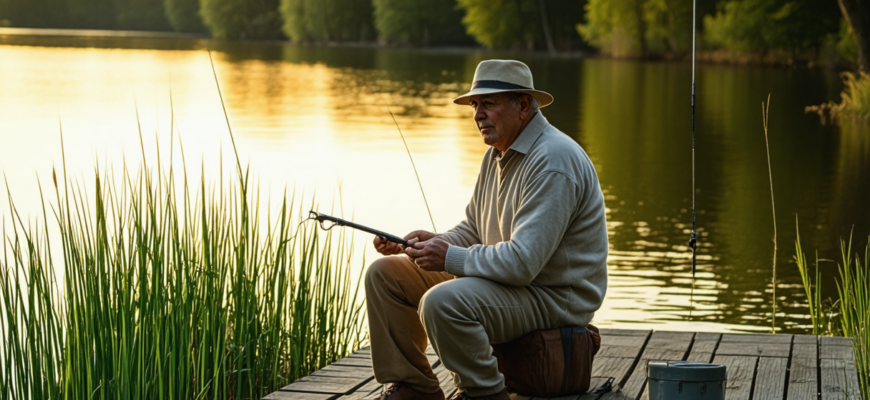
Entering the phase of life after 60 often brings new opportunities for relaxation, self-discovery, and enriching experiences. Among the myriad of hobbies available, fishing stands out as a tranquil and rewarding pursuit that can significantly enhance the quality of life. This article explores the many benefits of taking up fishing as a hobby after 60, providing practical guidance, tips, and insights to help seniors embrace this peaceful activity.
- Why Fishing is an Ideal Hobby for Seniors
- Connection with Nature
- Low-Impact Physical Activity
- Enhancement of Mental Health
- Social and Family Bonding
- Practical Considerations for Seniors Starting Fishing
- Choosing the Right Equipment
- Safety and Comfort Tips
- Finding Suitable Locations
- Legal and Environmental Regulations
- Step-by-Step Guide to Starting Fishing
- 1. Learn Basic Fishing Techniques
- 2. Practice Casting at Home
- 3. Start with Simple Baits and species
- 4. Engage with Local Fishing Communities
- Health Benefits of Fishing After 60
- Physical Benefits
- Mental and Emotional Benefits
- Social Benefits
- Maximizing Enjoyment: Tips for a Fulfilling Fishing Experience
- Create a Comfortable Routine
- Combine Fishing with Other Enjoyable Activities
- Stay Educated and Inspired
- Maintain Equipment Properly
- Overcoming Common Challenges
- Mobility and Physical Limitations
- Weather Conditions
- Keeping Motivation High
- Embracing a Peaceful and Fulfilling Hobby
- Additional Resources
Why Fishing is an Ideal Hobby for Seniors
Connection with Nature
At its core, fishing offers an unparalleled opportunity to immerse oneself in nature. Whether it’s the calming sound of flowing water, the chirping of birds, or the gentle rustle of leaves, fishing environments create a peaceful backdrop conducive to relaxation and mindfulness. Such natural immersion can reduce stress, improve mental well-being, and foster a sense of harmony.
Low-Impact Physical Activity
Compared to high-intensity sports, fishing is a low-impact activity that is gentle on joints and muscles. It involves walking, standing, casting, and reeling—movements that can be easily adjusted to individual physical capabilities. This makes fishing accessible for seniors with varying degrees of mobility and health conditions.
Enhancement of Mental Health
Engaging in a focused, calming activity like fishing encourages mindfulness and helps reduce anxiety and depression. The anticipation of catching a fish, coupled with the serene surroundings, fosters a meditative state that benefits psychological health.
Social and Family Bonding
Fishing presents an excellent opportunity to spend quality time with loved ones—family members, grandchildren, friends—strengthening relationships and creating lasting memories. Group fishing trips can become cherished traditions that promote social engagement.
Practical Considerations for Seniors Starting Fishing
Choosing the Right Equipment
| Gear | Suggested Features |
|---|---|
| Fishing Rod | Lightweight, 5-7 feet long, with a smooth reel |
| Reel | Spinning reels preferred for ease of use |
| Line | Light line, 4-8 lb test for manageable casting |
| Accessories | Comfortable grip, rod holder, tackle box |
Safety and Comfort Tips
- Wear appropriate clothing—hats, sunglasses, and sunblock to protect against elements.
- Use cushioned seating or portable stools for comfort during long periods.
- Carry sufficient water and snacks to stay hydrated and energized.
- Be aware of weather conditions; avoid fishing during storms or extreme heat.
- Bring a first aid kit for minor injuries.
Finding Suitable Locations
Choosing the right fishing spots is essential for a pleasant experience. Consider accessible lakes, ponds, or rivers with gentle banks and low boat traffic. Many public parks and nature reserves offer designated fishing areas equipped with amenities for seniors.
Legal and Environmental Regulations
Before heading out, familiarize yourself with local fishing regulations, licensing requirements, and catch limits. Respect environmental guidelines to preserve natural habitats for future generations.
Step-by-Step Guide to Starting Fishing
1. Learn Basic Fishing Techniques
Understanding fundamental skills—casting, reeling, tying knots—is crucial for enjoyment and success. Beginners can find helpful tutorials online, in local clubs, or through community courses.
2. Practice Casting at Home
Set up a practice station in your backyard or at a local park to gain confidence in casting. Use light equipment and focus on smooth, controlled movements.
3. Start with Simple Baits and species
Opt for beginner-friendly baits like worms or corn, targeting common fish such as bass, trout, or panfish. These species are abundant and typically easier to catch.
4. Engage with Local Fishing Communities
Joining fishing clubs or online forums can provide valuable advice, support, and camaraderie. Many communities hold beginner workshops and organized trips.
Health Benefits of Fishing After 60
Physical Benefits
- Improves hand-eye coordination through casting and reeling.
- Enhances balance and posture when standing or walking near water bodies.
- Encourages gentle physical activity that can be tailored individually.
Mental and Emotional Benefits
- Reduces feelings of loneliness and isolation.
- Provides a sense of purpose and achievement after catching fish.
- Encourages mindfulness and stress reduction through tranquil surroundings.
Social Benefits
Participating in fishing groups fosters social interaction, promoting emotional well-being and preventing social isolation common among seniors.
Maximizing Enjoyment: Tips for a Fulfilling Fishing Experience
Create a Comfortable Routine
Establish a regular schedule—whether early morning or late afternoon—that aligns with personal preferences and energy levels. Consistency can build anticipation and improve skills over time.
Combine Fishing with Other Enjoyable Activities
Pair fishing trips with picnics, photography, or nature walks. Such complementary activities enrich the experience and keep the outing lively.
Stay Educated and Inspired
Read books, watch documentaries, or attend workshops about different fish species, fishing techniques, and environmental conservation to deepen knowledge and appreciation.
Maintain Equipment Properly
Regularly clean and store fishing gear to ensure longevity and optimal performance, reducing frustration during fishing trips.
Overcoming Common Challenges
Mobility and Physical Limitations
Use accessible fishing docks, portable seating, and lightweight gear. Many fishing spots are designed for accessibility, making it easier for seniors with mobility issues.
Weather Conditions
Plan trips around favorable weather. Have protective clothing and rain gear available, and avoid fishing during extreme weather events.
Keeping Motivation High
Celebrate small successes, such as a successful cast or catching a fish, to stay motivated. Remember that the primary goal is relaxation and enjoyment, not just catching fish.
Embracing a Peaceful and Fulfilling Hobby
Taking up fishing after 60 offers numerous physical, mental, and social benefits. It provides a serene avenue to reconnect with nature, develop new skills, and foster relationships. With thoughtful planning and a focus on safety and enjoyment, fishing can become a cherished pastime that adds serenity, purpose, and a renewed zest for life during the golden years.
Additional Resources
- Local fishing clubs and associations
- Online tutorials and courses for beginner anglers
- State and national parks with accessible fishing areas
- Books and magazines dedicated to fishing for seniors
Embark on this tranquil journey, embrace the calming rhythm of fishing, and discover the joy of peaceful moments by the water. After 60, fishing can transform from a simple hobby into a lifelong source of happiness and fulfillment.
Похожие записи:
 Embracing Creativity After 60: How Taking Up Photography Can Transform Your Life
  Taking Up Photography as a Creative Outlet After 60: A Guide to Enriching Life Through the Lens
  Exploring Painting and Drawing for Relaxation: A Creative Path to Serenity After 60
  Discovering Hidden Gems: How to Explore Off-the-Beaten-Path Destinations Safely After 60
  Exploring the Joy of Bird Watching Adventures After 60
  Embrace Adventure: Learning New Water Sports During Your Travels After 60
  Exploring Remote Villages and Towns Globally: A Guide for Life After 60
  Discover the Best Diving and Snorkeling Hotspots for Mature Travelers: A Complete Guide to Exploring Underwater Paradises After 60
  Farm Stays and Rural Experiences Abroad: A Guide for Life After 60
  Embracing Joy and Connection: Participating in Local Festivals and Cultural Events After 60
  Unlocking Creativity After 60: The Benefits and Guide to Joining Art Classes and Workshops
  Embracing Knowledge and Connection: Joining Book Clubs and Literary Discussions After 60
  Embracing Wellness and Adventure After 60: The Perfect Blend for Active, Healthy Living
  Mountain Trekking Adventures for Experienced Seniors: A Guide to Safe and Exciting Exploration After 60
  Embrace the Winter: Exciting Cross-Country Skiing and Snowshoeing Adventures for Active Seniors
  Meditation and Mindfulness Practices for Stress Relief: A Guide for Those Over 60