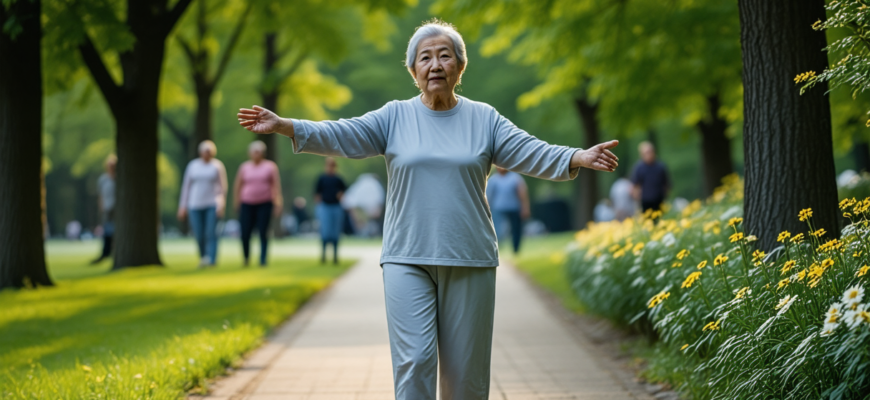
As people age, maintaining physical health, mental clarity, and emotional balance becomes increasingly important. Forms of gentle martial arts such as Tai Chi and Qi Gong have gained recognition worldwide for their profound benefits for seniors. These practices are accessible, adaptable, and grounded in ancient philosophies that promote harmony between body and mind. In this comprehensive guide, explore how practicing Tai Chi and Qi Gong can transform life after 60, fostering vitality, flexibility, and mental serenity.
- Understanding Tai Chi and Qi Gong
- What is Tai Chi?
- What is Qi Gong?
- Benefits of Practicing Tai Chi and Qi Gong After 60
- Physical Benefits
- Mental and Emotional Benefits
- Social and Lifestyle Benefits
- Getting Started with Tai Chi and Qi Gong
- Choosing the Right Approach
- Finding Certified Instructors and Classes
- Essential Equipment and Attire
- Sample Routine for Practice After 60
- Warm-up Phase (5-10 minutes)
- Core Practice (20-30 minutes)
- Cool Down (5-10 minutes)
- Safety Tips and Precautions
- Adapting Practices for Different Physical Conditions
- Integrating Tai Chi and Qi Gong into Daily Life
- Additional Resources and Continuing Education
- Embracing Balance and Vitality After 60
Understanding Tai Chi and Qi Gong
What is Tai Chi?
Tai Chi, often called “meditation in motion,” originated in China as a martial art that emphasizes slow, deliberate movements, deep breathing, and mental focus. It integrates physical postures, breathing techniques, and meditation to cultivate internal energy, or “Qi.” The practice is characterized by smooth, flowing movements that improve balance, flexibility, and overall health.
What is Qi Gong?
Qi Gong (or Qi Gong, pronounced as “chee gong”) is a holistic system combining physical movements, breathing exercises, and meditation to enhance the flow of Qi—vital energy within the body. Unlike Tai Chi, Qi Gong can be practiced in static positions or with gentle movements, and it often targets specific health concerns or energy channels. It is easier to learn for beginners and highly adaptable for various age groups and physical conditions.
Benefits of Practicing Tai Chi and Qi Gong After 60
Engaging regularly in Tai Chi and Qi Gong offers a myriad of benefits tailored for seniors. These practices support physical health, mental well-being, and social engagement, making them invaluable tools for healthy aging.
Physical Benefits
- Improved Balance and Coordination: The slow, controlled movements enhance proprioception and reduce fall risk.
- Increased Flexibility and Mobility: Gentle stretching helps maintain joint health and range of motion.
- Better Posture: Correct alignment and mindful movement promote spinal health.
- Enhanced Cardiovascular Health: Moderate aerobic activity improves heart health without strain.
- Strength Building: Weight-shifting and stance-based movements help develop muscle tone.
Mental and Emotional Benefits
- Stress Reduction: Deep breathing and meditation techniques induce relaxation and reduce anxiety.
- Enhanced Concentration: The focus required refines mental clarity and mindfulness.
- Improved Sleep: Regular practice promotes better sleep patterns.
- Boosted Mood: Endorphin release during practice alleviates depression and loneliness.
Social and Lifestyle Benefits
- Community Engagement: Group classes foster social connections.
- Accessible and Adaptable: Suitable for various physical conditions and fitness levels.
- Empowerment: Learning new skills enhances confidence and independence.
Getting Started with Tai Chi and Qi Gong
Choosing the Right Approach
Starting a new practice can seem daunting, but both Tai Chi and Qi Gong are especially suitable for seniors due to their low-impact and gentle movements. Choosing between the two depends on personal preferences, health goals, and physical abilities.
- For beginners interested in gentle, meditative movement: Qi Gong may be preferable.
- For those seeking a martial arts component with increased complexity: Tai Chi could be more appealing.
Finding Certified Instructors and Classes
Look for qualified instructors עם experience in teaching seniors. Community centers, senior clubs, and wellness centers often offer tailored classes. Online tutorials and virtual classes are also viable options, especially for those with mobility constraints.
Essential Equipment and Attire
- Comfortable Clothing: Loose-fitting, breathable clothes facilitate movement.
- Flat, Non-slip Shoes: Supportive footwear ensures stability and safety.
- Optional Accessories: Yoga mats or cushions for seated or meditative aspects.
Sample Routine for Practice After 60
Warm-up Phase (5-10 minutes)
Start with gentle stretching and breathing exercises to prepare muscles and center the mind. Simple routines include neck rotations, shoulder rolls, and deep diaphragmatic breathing.
Core Practice (20-30 minutes)
| Movement/Exercise | Description | Benefits |
|---|---|---|
| Parting the Horse’s Mane | A flowing movement mimicking brushing a horse’s mane, shifting weight side to side. | Enhances balance, leg strength, and coordination. |
| Wave Hands Like Clouds | Gently swinging arms in a circular motion while stepping side to side. | Improves arm strength, waist flexibility, and mental focus. |
| Golden Rooster Stands on One Leg | Balancing on one leg while performing slow arm movements. | Boosts stability, leg strength, and concentration. |
| Qi Gong Breathing Techniques | Slow inhalation and exhalation coordinated with movements. | Enhances lung capacity and internal energy flow. |
Cool Down (5-10 minutes)
Conclude with relaxed stretching and seated meditation, focusing on breathing and mindfulness to integrate the practice and promote relaxation.
Safety Tips and Precautions
- Always consult a healthcare provider before beginning any new exercise program, especially if there are pre-existing health conditions.
- Practice in a safe environment, free of obstacles and with adequate space.
- Start slowly, increasing duration and intensity as tolerated.
- Pay attention to body signals; stop if experiencing pain or discomfort.
- Maintain consistency for optimal benefits, but don’t overexert.
Adapting Practices for Different Physical Conditions
Many seniors may face limitations such as joint issues, osteoporosis, or cardiovascular concerns. Fortunately, Tai Chi and Qi Gong are highly adaptable:
- Seated Practice: Many movements can be performed seated to reduce strain on joints.
- Modified Movements: Simplify or reduce range of motion as needed.
- Use of Props: Chairs or walls can provide support for balance exercises.
- Breathwork Focus: Emphasize breathing and meditation to gain health benefits without physically demanding movements.
Integrating Tai Chi and Qi Gong into Daily Life
To maximize health benefits, it’s recommended to practice daily or at least several times a week. Incorporate these exercises into routines such as morning rituals, part of relaxation before sleep, or as part of a holistic wellness schedule. Consistent practice fosters not only physical improvements but also mental serenity and emotional resilience.
Additional Resources and Continuing Education
- Books and DVDs by experienced Tai Chi and Qi Gong masters
- Online courses and virtual classes tailored for seniors
- Wellness retreats focused on traditional Chinese exercises
- Local community groups or clubs for ongoing social engagement
Embracing Balance and Vitality After 60
Practicing Tai Chi and Qi Gong can significantly enhance quality of life after 60. With their gentle nature, focus on mindfulness, and proven health benefits, these practices offer a pathway to sustained vitality, balanced mood, and physical independence. Starting gradually, listening to one’s body, and seeking guidance when needed, seniors can enjoy a safe and rewarding journey into the harmonious world of Tai Chi and Qi Gong. Embracing these ancient arts today can lead to a healthier, more balanced, and fulfilling life in the years to come.
Похожие записи:
 Mastering Balance and Well-Being After 60: The Power of Tai Chi and Balance Exercises
  Unlocking Creativity After 60: The Benefits and Guide to Joining Art Classes and Workshops
  Embracing a Positive Outlook for Aging Gracefully: Unlocking the Secrets to a Fulfilling Life After 60
  Creating a Personal Blog or Online Portfolio: Unlocking New Opportunities in Life After 60
  Meditation and Mindfulness Practices for Stress Relief: A Guide for Those Over 60
  Cycling Trips for Active Seniors Seeking New Challenges: Unlocking Adventure After 60
  Exploring Alternative Therapies for Wellness: A Guide for Life After 60
  Exploring Holistic Approaches to Senior Wellness: A Guide to Thriving After 60
  Exploring New Fitness Trends for Seniors: Stay Active and Healthy After 60
  Exploring Painting and Drawing for Relaxation: A Creative Path to Serenity After 60
  Embracing Wellness and Adventure After 60: The Perfect Blend for Active, Healthy Living
  Taking Up Fishing as a Quiet Hobby: A Serene Path to Joy After 60
  Achieving Harmony: Balancing Work and Relaxation for Well-Being After 60
  Embrace Adventure: Learning New Water Sports During Your Travels After 60
  Embracing Joy and Connection: Participating in Local Festivals and Cultural Events After 60
  Embracing Creativity After 60: How Taking Up Photography Can Transform Your Life