
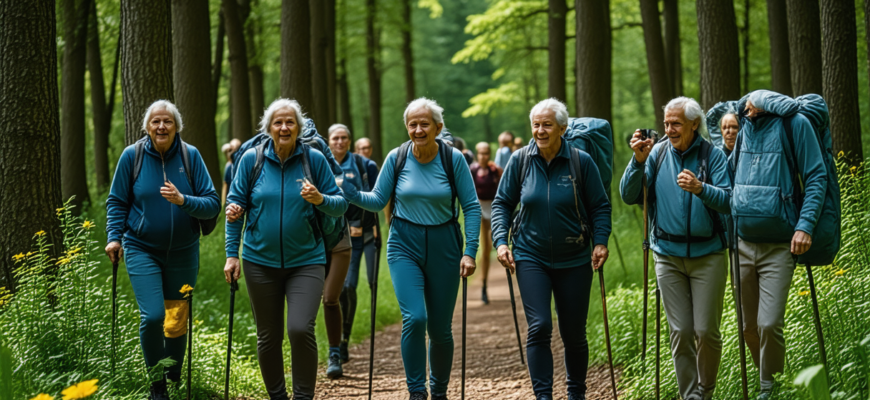
As people age, maintaining an active lifestyle becomes essential for preserving health, boosting mental well-being, and fostering social connections. Creating a walking or hiking club tailored for seniors is an effective way to encourage movement, explore nature, and build a supportive community. This comprehensive guide will walk you through the steps to establish and develop a successful walking or hiking club specifically designed for individuals over 60, ensuring long-term engagement and enjoyment.
- Why Start a Walking or Hiking Club After 60?
- 1. Promoting Physical Health
- 2. Enhancing Mental Well-being
- 3. Fostering Social Connections
- Step 1: Planning and Preparation
- 1. Define the Purpose and Goals
- 2. Assess the Community’s Needs
- 3. Establish Safety Protocols
- Step 2: Structuring the Club
- 1. Decide on the Organization Format
- 2. Develop a Membership Policy
- 3. Schedule Regular Activities
- Step 3: Choosing the Right Routes and Venues
- 1. Selecting Suitable Trails
- 2. Planning the Route
- 3. Considering Safety Measures
- Step 4: Engaging and Motivating Members
- 1. Creating a Welcoming Atmosphere
- 2. Setting Achievable Goals
- 3. Providing Educational Content
- Step 5: Maintaining Engagement and Growth
- 1. Regular Communication
- 2. Organizing Special Events
- 3. Gathering Feedback and Improving
- Useful Tools and Resources for Club Organizer
- Estimated Budget and Funding Options
- Legal and Liability Considerations
Why Start a Walking or Hiking Club After 60?
1. Promoting Physical Health
Regular walking and hiking are low-impact activities that significantly improve cardiovascular health, muscular strength, flexibility, and balance. These benefits are crucial for reducing the risk of chronic conditions such as hypertension, diabetes, and osteoporosis, common among seniors.
2. Enhancing Mental Well-being
Engaging in outdoor activities and social interactions reduces feelings of loneliness, depression, and anxiety. The natural environment and companionship offer mental stimulation and emotional support.
3. Fostering Social Connections
Joining a club provides a sense of community, belonging, and purpose. It offers opportunities to meet like-minded individuals, share experiences, and develop friendships that can last for years.
Step 1: Planning and Preparation
1. Define the Purpose and Goals
- Promote physical activity tailored for seniors
- Create a social network among retirees
- Explore local natural sights and trails
- Encourage healthy habits and lifelong learning
2. Assess the Community’s Needs
Conduct surveys or informal discussions to understand potential members’ interests, fitness levels, and schedule preferences. Consider factors like mobility restrictions, health concerns, and experience with outdoor activities.
3. Establish Safety Protocols
- Include first aid kits and emergency plans during outings
- Inform members about health precautions
- Ensure trails are suitable for all fitness levels
Step 2: Structuring the Club
1. Decide on the Organization Format
- Formal Club: Register as a nonprofit or community organization, with official membership and regular meetings.
- Informal Group: Casual gatherings arranged through social media or community boards.
2. Develop a Membership Policy
- Eligibility criteria (age, health status)
- Membership fees, if any
- Registration and cancellation procedures
- Code of conduct and safety rules
3. Schedule Regular Activities
Plan weekly or bi-weekly outings. Consider seasonal variations; for example, avoid icy or excessively hot days. Use a calendar to mark planned walks, and communicate schedules well in advance.
Step 3: Choosing the Right Routes and Venues
1. Selecting Suitable Trails
| Criteria | Description |
|---|---|
| Difficulty Level | Start with easy, flat trails and gradually progress to hillier paths. |
| Accessibility | Paths should be accessible for mobility aids such as walkers or canes. |
| Facilities | Availability of benches, rest areas, and toilets nearby. |
| Scenic Value | Enhanced motivation through natural beauty and wildlife. |
2. Planning the Route
- Map out the trail using GPS or online maps.
- Verify the trail’s condition beforehand.
- Identify points for rest stops and hydration.
- Plan for alternative routes in case of bad weather or unforeseen circumstances.
3. Considering Safety Measures
- Ensure the route is well-marked and maintained.
- Arrange for emergency contact information to be accessible.
- Coordinate with local authorities or park officials if necessary.
Step 4: Engaging and Motivating Members
1. Creating a Welcoming Atmosphere
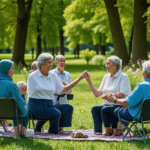
Implement a friendly, inclusive environment that encourages newcomers. Initiate introductions, ice-breaker activities, and group discussions.
2. Setting Achievable Goals
- Track distance and time to show progress.
- Celebrate milestones and personal achievements.
- Offer incentives such as certificates or small rewards.
3. Providing Educational Content
- Share tips on proper walking techniques and posture.
- Distribute information about local flora and fauna.
- Organize guest speakers or workshops on health topics.
Step 5: Maintaining Engagement and Growth
1. Regular Communication
Maintain contact through newsletters, social media groups, or messaging apps. Share photos, updates, and upcoming events to keep members interested.
2. Organizing Special Events
- Seasonal outings or themed walks
- Participation in charity walks or marathons
- Picnics, potlucks, or cultural outings
3. Gathering Feedback and Improving
- Use surveys to understand members’ preferences and suggestions.
- Adjust the frequency, routes, and activities based on feedback.
- Encourage leadership roles among members to foster ownership.
Useful Tools and Resources for Club Organizer
- Trail mapping apps: AllTrails, Komoot
- First aid kits and safety gear
- Membership management software: SignUpGenius, Google Forms
- Community platforms: Facebook Groups, WhatsApp
Estimated Budget and Funding Options
| Item | Estimated Cost | Funding Sources |
|---|---|---|
| Marketing (flyers, posters) | $50–$200 | Community donations, local sponsors |
| First aid kits and safety gear | $100–$300 | Club funds, grants |
| Trail permits or access fees | Variable | Local government programs |
| Event expenses (refreshments, supplies) | $100–$300 per event | Sponsorship, fundraising events |
Legal and Liability Considerations
Establish liability waivers for participants, especially for outdoor activities in natural settings. Verify insurance requirements and consult local regulations. Always prioritize safety and hydration, and consider involving trained guides or outdoor enthusiasts familiar with trail safety.
Creating a walking or hiking club tailored for individuals over 60 can transform aging into an active, social, and fulfilling stage of life. With thoughtful planning, emphasis on safety, and fostering a welcoming environment, such clubs can become vital hubs of health, happiness, and community. The journey toward active aging begins with a single step—take that step today and inspire others to join the movement toward healthier, happier lives after 60.
Похожие записи:
 Joining Veteran or Senior Sports Groups: A Guide to Active Living After 60
  Embracing Wellness and Adventure After 60: The Perfect Blend for Active, Healthy Living
  How to Start a Book Club for Seniors: A Complete Guide to Enriching Life after 60
  Embrace the Winter: Exciting Cross-Country Skiing and Snowshoeing Adventures for Active Seniors
  Smart Budgeting Tips for Comfortable Retirement Living
  Discover Fulfilling Volunteering Opportunities for Seniors: A Guide to Staying Active and Engaged After 60
  Cycling Trips for Active Seniors Seeking New Challenges: Unlocking Adventure After 60
  Exploring New Fitness Trends for Seniors: Stay Active and Healthy After 60
  Conquering Fear: Embracing New Adventure Sports After 60
  Building a Community of Care: How to Create a Neighborhood Buddy System for Seniors
  Building a Travel Community for Retirees: How to Connect, Explore, and Thrive After 60
  Fostering Connections: The Power of Intergenerational Activities After 60
  Embrace the Thrill: Participating in Adventure Photography During Travel After 60
  The Benefits of Garden Therapy and Outdoor Activities for Seniors: Embracing Life After 60
  Connecting through Senior Centers: Building a Vibrant Social Life After 60
  Embracing Connection: Joining Faith-Based Community Activities After 60